
Liquid Level Sensors Engineered for Accuracy, Reliability, and Custom Fit
Liquid level sensors and float switches play a critical role in accurate, reliable liquid level measurement across industrial, medical and commercial systems. This engineering guide explains how reed switch–based liquid level sensors work, compares single-point, multi-point and continuous level sensing technologies, and helps engineers select the right solution for performance, compatibility and long-term reliability.
If there are particular areas you need help with, feel free to skip to any of the following sections:
- Introduction
- What is a Liquid Level Sensor
- Types of Liquid Level Measurement
- Liquid Level Sensor Output Comparison
- Selecting Float and Stem Materials
- Advantages of Reed Switch–Based Liquid Level Sensors
- Liquid Level Sensor Applications by Industry
- Engineered Custom Liquid Level Sensor Solutions
- Why Choose Standex Detect for Liquid Level Sensing?
- Conclusion
Introduction
Liquid level sensing is critical to system safety, efficiency, and automation across industries from medical devices and data centres to industrial tanks and renewable energy systems. Choosing the right liquid level sensor ensures accurate monitoring, protects equipment, and enables smarter system control.
This guide explains how reed switch–based liquid level sensors and floats work, the different sensor types available, how to select compatible materials, and where these solutions are most effectively used.
What is a Liquid Level Sensor
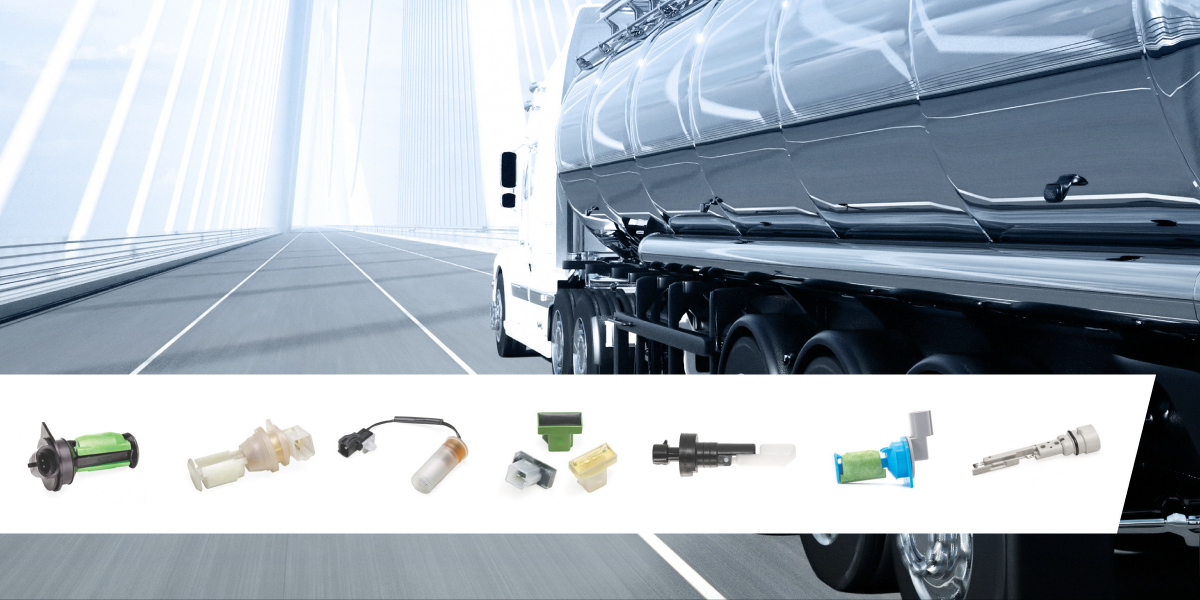
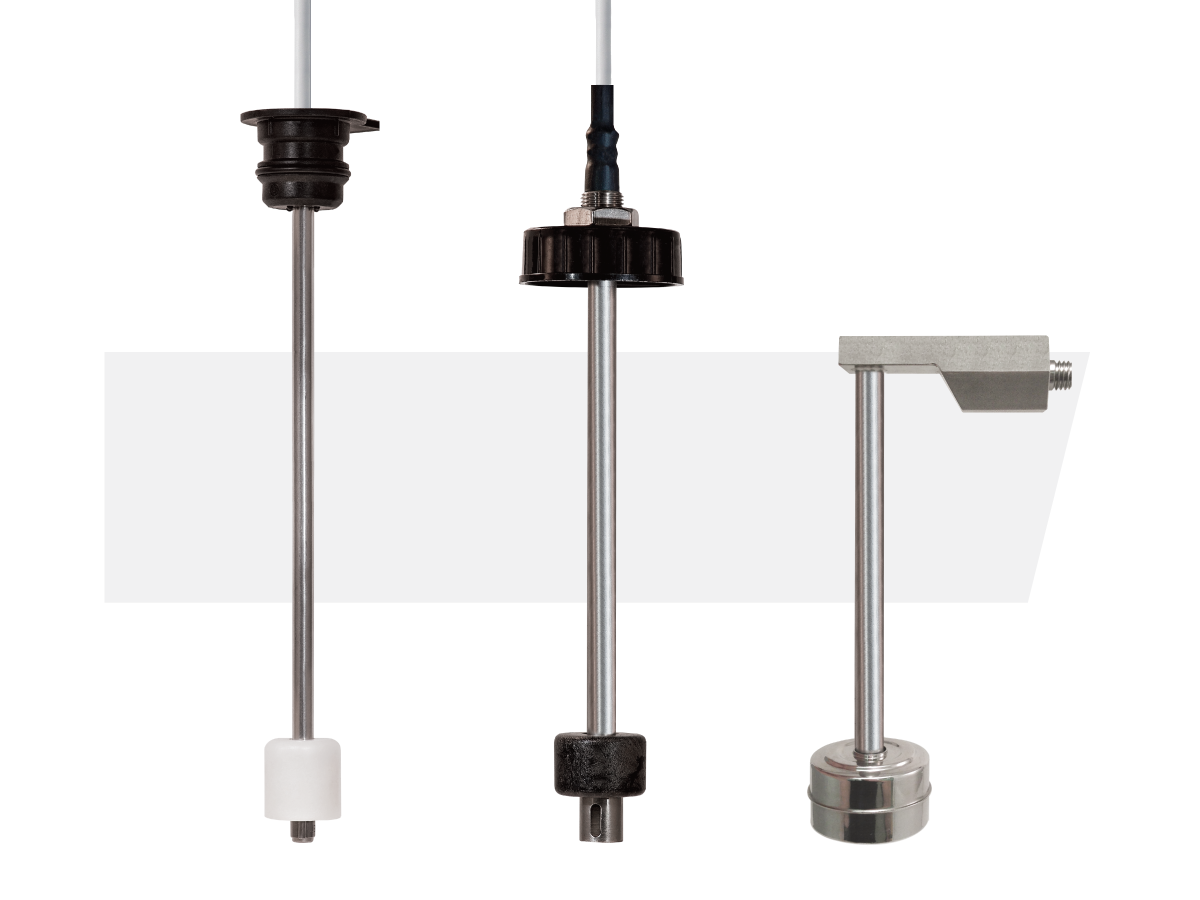
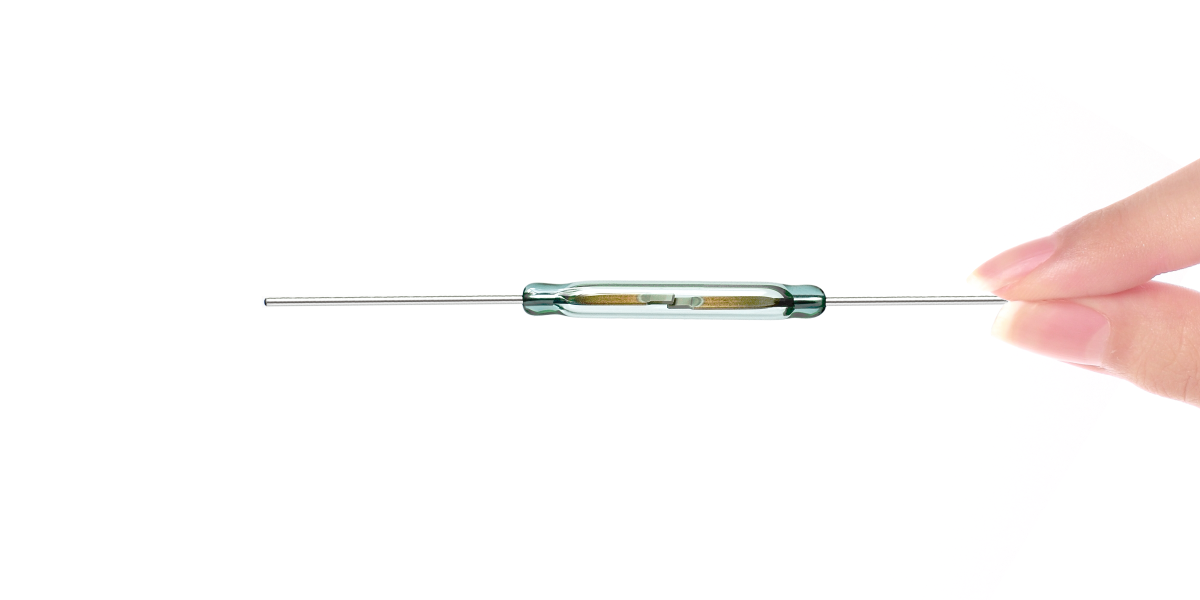
Liquid level sensors detect the presence, absence, or height of a liquid within a tank, reservoir, or system. Float-based reed switch sensors use a magnet embedded in a float that moves with the liquid level. As the float travels along a stem or housing, it activates one or more hermetically sealed reed switches to generate a reliable output signal.
Because they measure liquid directly, these sensors perform consistently even in environments with foam, turbulence, vapour, or temperature extremes, where other sensing technologies may struggle.
Types of Liquid Level Measurement
Selecting the right measurement approach depends on how much level information your system requires.
Single-Point Level Sensors
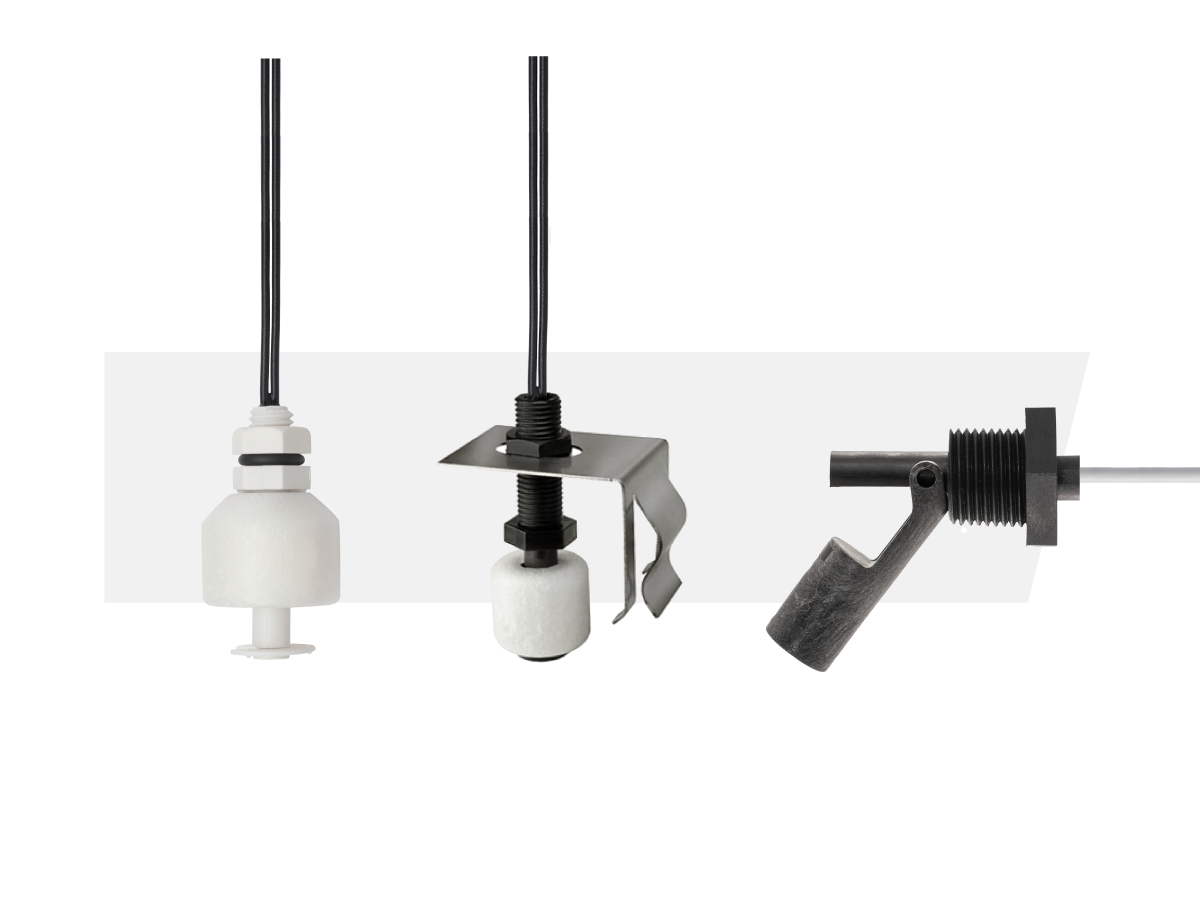
Single-point sensors provide a discrete ON/OFF signal when liquid reaches a defined level. They are valued for simplicity, robustness, and cost efficiency, making them ideal for high volume applications such as brake fluid monitoring, humidifiers, and overflow tanks.
Best for:
- Overfill protection
- Low-level alarms
- High-volume, cost-sensitive applications
Common applications:
Brake fluid monitoring, humidifiers, and overflow tanks.
Multi‑Point Liquid Level Sensors
Multi-point sensors combine multiple switching points into a single device, allowing detection of several discrete liquid levels.
Key advantages:
- Reduced wiring complexity
- Improved system reliability
- Staged pump or alarm control
Common applications:
Chemical processing, wastewater systems, multi-level control tanks
Continuous Liquid Level Sensors
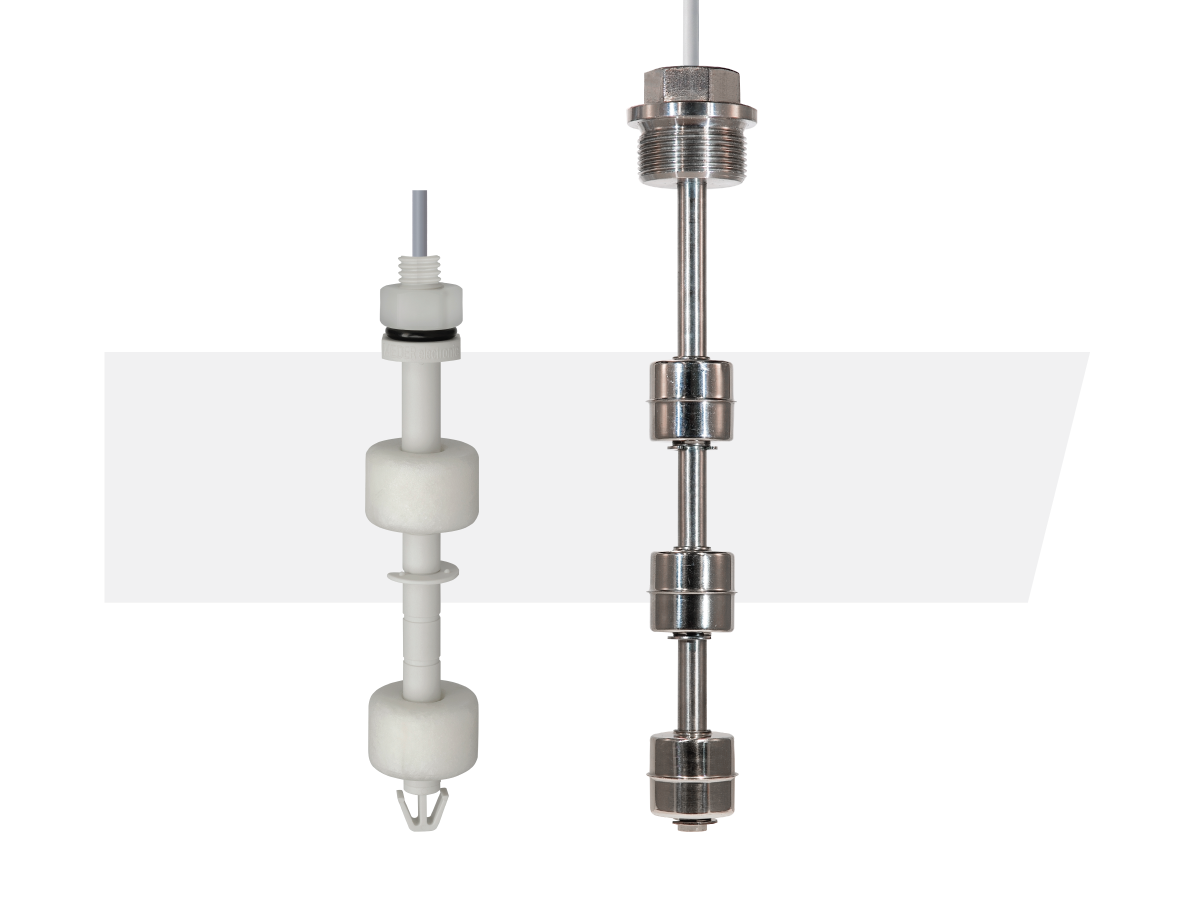
Continuous sensors provide analogue, stepped, or resistive outputs across the full measurement range using a reed ladder design.
Key advantages:
- Higher measurement resolution
- Near real-time monitoring
- Easy PLC and controller integration
Common applications:
Medical fluid management, industrial tank monitoring, process automation
Liquid Level Sensor Output Comparison
| Sensor Type | Output Style | Best Use Cases |
| Single-Point | Discrete ON/OFF | Low level alarms and overflow protection |
| Multi-Point | Multiple discrete outputs | Staged control and multi-level alerts |
| Continuous | Analogue, stepped, or voltage | PLC integration, process controls and tank monitoring |
Selecting Float and Stem Materials
Selecting the correct materials is critical for accuracy, durability, and chemical compatibility. Standex Detect offers a broad portfolio of float and stem materials to support any operating conditions found across multiple markets.
Float materials include NBR, Stainless Steel, Polyamide (PA), and Polypropylene (PP), selected based on chemical compatibility, temperature, and buoyancy requirements. Stem materials include plastics for short sensors and stainless steel for longer sensors to ensure the stem is straight to ensure reliable float travel.
Common Float Materials & Compatibility
Stem materials are typically plastic for shorter sensors and stainless steel for longer sensors to ensure straightness and reliable float travel.
NBR (Nitrile Rubber) | Oils, fuels, hydrocarbons |
Polyamide (PA / Nylon) | General industrial liquids, automotive fluids |
Polypropylene (PP) | Water, chemicals, acids, cleaning solutions |
Stainless Steel | Aggressive fluids, corrosive or high-temperature environments |
Advantages of Reed Switch–Based Liquid Level Sensors
Reed switch technology delivers several advantages over ultrasonic, capacitive, and radar-based alternatives:
No power required at the sensing point
High reliability and long service life
Immune to foaming, vapour, and turbulence
Cost-effective and easy to integrate
Proven performance in harsh environments
This makes reed switch sensors ideal for both mission-critical systems and high-volume OEM applications.
Liquid Level Sensor Applications by Industry
 Medical Devices Medical Devices | – Dialysis machines (multi-point and continuous monitoring) – Suction and waste canisters (overflow detection) |
 Computing & Data Centres Computing & Data Centres | – Immersion cooling systems (dielectric fluid level sensing) – Backup and auxiliary cooling tanks |
 Transportation Transportation | – EV battery coolant monitoring – Fuel, DEF, and hydraulic fluid sensing |
 Renewable Energy & Utilities Renewable Energy & Utilities | – Battery energy storage systems (BESS) – Water treatment and electrical substations |
 Industrial & Automation Equipment Industrial & Automation Equipment | – Process tanks, sumps, and hydraulic reservoirs – High/low-level alarms and PLC-controlled systems |
 Appliances Appliances | – Washing machines and dishwashers – Refrigerators and beverage dispensers |
Engineered Custom Liquid Level Sensor Solutions
Standard sensors don’t always meet unique system requirements. Custom-designed solutions can include:
- Custom sensor lengths and switching points
- Specialised float and stem materials
- Threaded housings, sealing, and connectors
- Discrete, multi-point, or continuous output formats
From concept through production, engineered customisation ensures your sensor integrates seamlessly into your system without compromise.
INTEGRATED CAP FOR EASY INSTALL
Challenge
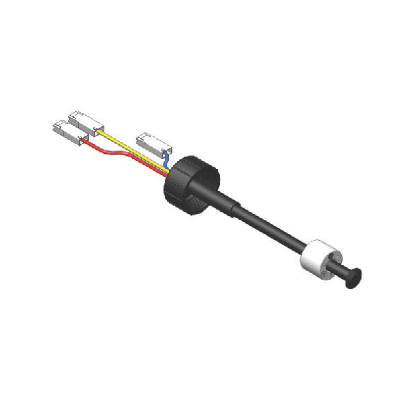
The customer required high/low level sensing for a medical solvent. The sensor had to be implemented in a bottle with the only port being a threaded opening. The customer required a single piece that would seal the bottle from the environment.
Solution
Standex Detect created a custom housing to incorporate a threaded cap with the sensor stem. The internal PCB utilises a high and low switch.
Outcome
This custom design allowed the customer to easily implement a sensor in their bottle design. The high and low switching points ensured automated reading in the medical equipment to ensure enough solvent is present to start their mixing process.
MAXIMISING SWITCHING POINTS
Challenge
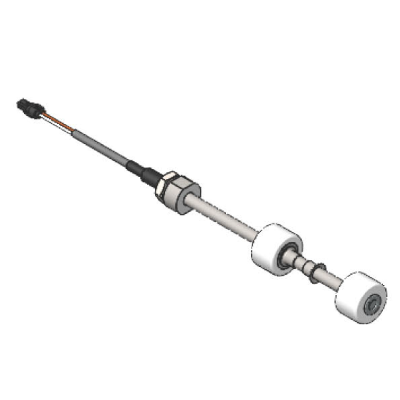
The customer needed to increase a single switching point sensor to a 4-point sensor but remain in the same package size, which limited the sensor to two floats.
Solution
Standex Detect utilised Normally Open and Normally Closed switches to maximise the number of switching points available.
Outcome
The sensor had four switching points with a unique resistance for each condition to ensure the proper output into the customer’s PLC to alert full.
SUBMERSION FLOAT
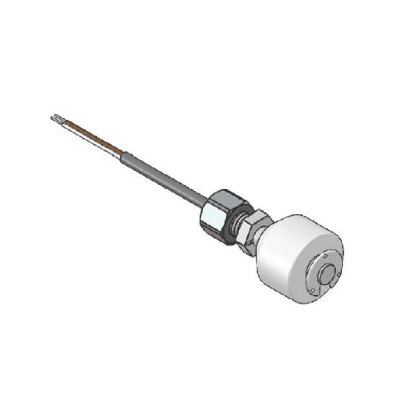
Challenge
The customer needed to detect a low level in a large tank. Due to the size of the tank, there was no practical method to reach the desired switching point with a long stem.
Solution
Standex Detect used a small sensor with a cap nut to seal the sensor from the environment.
Outcome
Standex Detect created a submersion float that fluid could fill above.
EXTERNAL TANK MONITORING
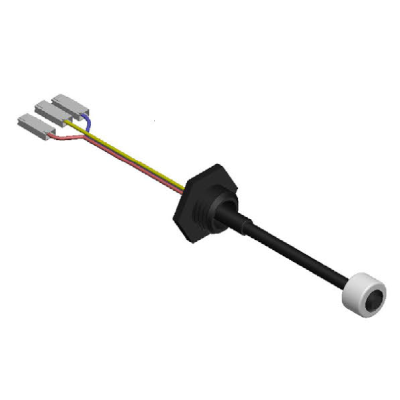
Challenge
The customer could not install a sensor from the internal portion of the bottle.
Solution
Standex Detect designed a housing with an M30
thread to be installed from the outside of the bottle.
Outcome
The sensor could be installed from the outside of the bottle to allow for connections on the cable harness for easier system integration.
VISUAL FLOAT MONITORING
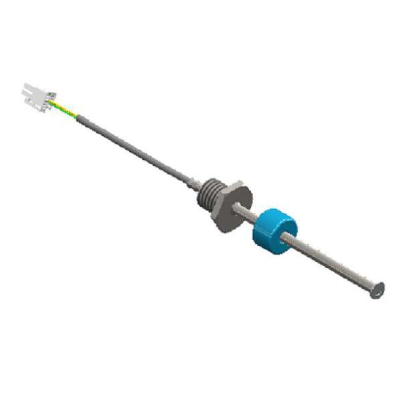
Challenge
The customer needed a continuous level sensor but also wanted a visual check through their opaque bottle.
Solution
Standex Detect added a blue colourant for their polypropylene float to allow for a visual check when
the sensor is installed in application.
Outcome
Standex Detect created a unique float colour that was visible in application due to the blue hue.
HIGH-TEMP LOW SPECIFIC GRAVITY FLUID
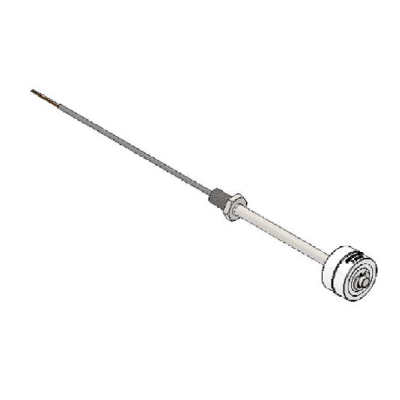
Challenge
The customer needed a continuous level sensor in an environment up to 150°C in a fluid with a low specific gravity.
Solution
Standex Detect provided a large stainless-steel float to increase buoyancy and to have temperature resilience to ensure reliable sensing in application.
Outcome
The customer received a reliable sensor that ensured float buoyancy when other float materials such as Polypropylene failed.
Why Choose Standex Detect for Liquid Level Sensing?
Standex Detect combines decades of reed switch expertise with deep application knowledge to deliver:
- Reliable, high-performance liquid level sensors
- Flexible customisation for demanding applications
- Cost-effective solutions for OEMs worldwide
- Global engineering and support capabilities
Let’s Engineer the Right Liquid Level Sensor for Your Application
Whether you need a simple float switch or a fully customised continuous level sensor, Standex Detect can help you design a solution that fits your system accurately, reliably, and efficiently.
Start a conversation with our engineering team today.
Related Articles
-

When Standard Sensors Aren’t Enough
Real-world applications rarely operate under ideal conditions. Extreme temperatures, fluid exposure, vibration, contamination, and limited installation space can all impact sensing performance and long-term reliability. Learn how custom sensor solutions help overcome these challenges and deliver reliable operation in demanding industrial, transport, EV, agricultural, and energy applications.
-

Reliable Sensing for Safer, More Efficient EV Systems
Learn how reliable sensing supports safer, more efficient EV systems. Explore applications in battery management, charging systems, fluid monitoring and safety detection, and discover how advanced sensing technologies help improve performance, reliability and operational safety.
-

Designing High-Density Switching Architectures Without Sacrificing Precision
Learn how engineers can increase channel density whilst managing capacitance, crosstalk, and PCB design constraints in modern semiconductor test systems.
-

Eliminating Downtime in Motion Systems with Precise Sensing
Learn how precision sensing helps eliminate downtime in industrial motion systems. Explore real-world applications in automation, high-power loads, and fluid-dependent systems and see how reliable sensing improves uptime and system performance.